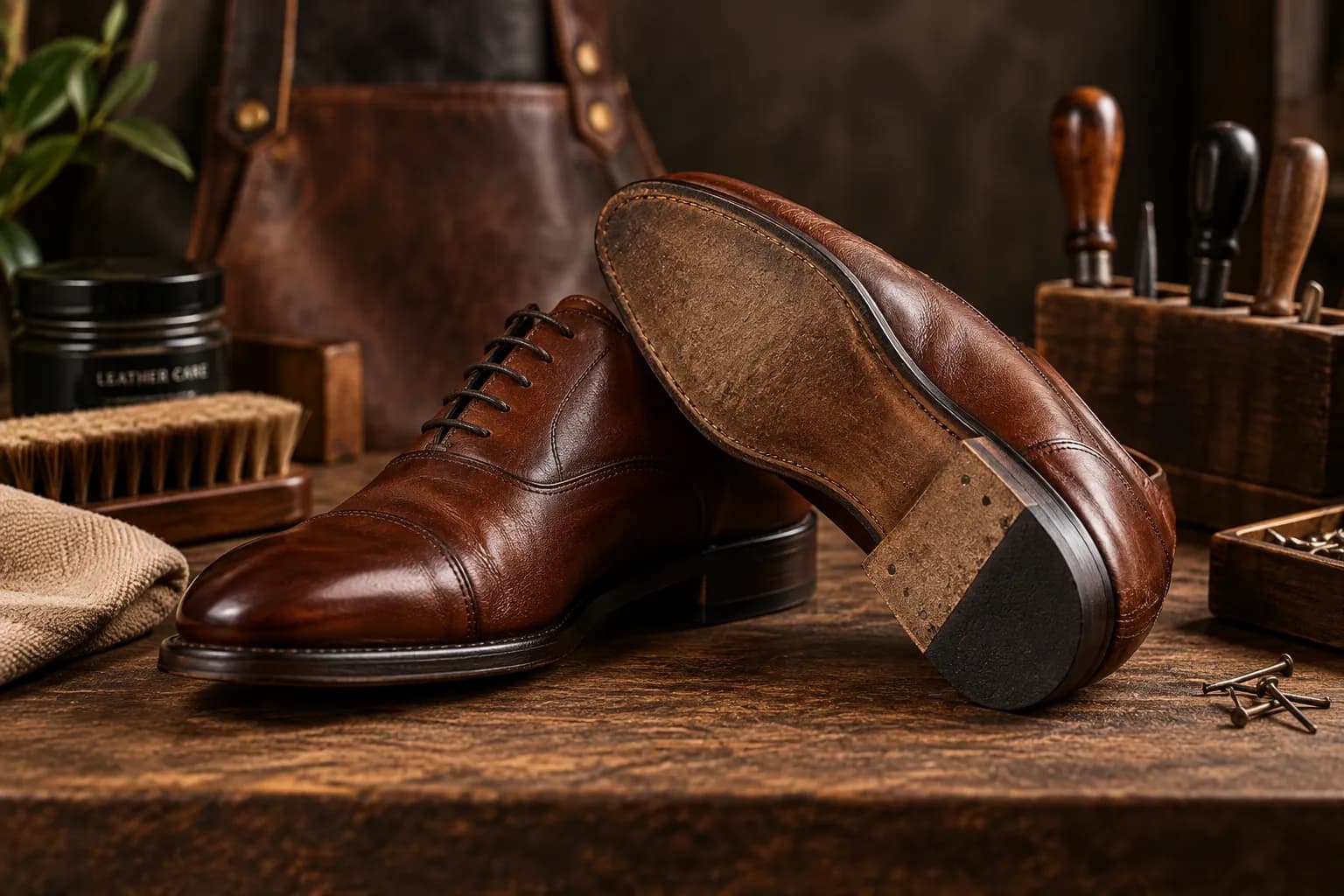
A damaged heel can affect more than the appearance of your favourite leather shoes. Uneven wear, cracks, loose heel blocks or a broken heel can change the way you walk and put additional pressure on the shoe structure. The good news is that many forms of heel damage can be restored through professional shoe heel repair, while severely damaged heels may require replacement.
At De Leather Craft, leather shoes are assessed based on their material, construction, extent of damage and overall condition before deciding whether repair or replacement is appropriate. This helps preserve the original character of premium footwear wherever possible.
Understanding Common Shoe Heel Damage
Leather shoe heels experience regular friction and impact, particularly at the heel tip. Over time, even well-maintained footwear can show visible signs of deterioration.
Common Signs of Heel Damage
Some common signs include:
- Worn or uneven heel tips
- Cracks or splits in the heel
- Loose or detached heel components
- A broken heel block
- Damaged leather covering around the heel
- Excessive scuffing or scratches
- Uneven height between the two heels
- Squeaking or movement while walking
A damaged shoe heel should not be ignored, especially if it has started affecting stability. Continuing to wear it can cause further damage to the heel, sole or upper.
Causes of Heel Wear and Damage
Frequent walking, uneven surfaces, moisture, improper storage and prolonged use can contribute to heel damage. High heels can experience additional stress because a greater amount of body weight is concentrated over a smaller surface area.
Poor-fitting shoes or an altered walking pattern can also result in uneven heel wear.
When Should You Repair a Leather Shoe Heel?
Professional leather heel repair can often restore a heel when the underlying structure is still sound. Minor to moderate wear does not necessarily mean the entire heel needs to be replaced.
Signs That a Heel Can Be Repaired
Repair may be suitable when the damage is limited to the heel tip, surface covering, scratches or minor structural issues. For example, a worn heel tip can often be replaced without disturbing the rest of the shoe.
At De Leather Craft, the footwear is examined before restoration so the repair method can be selected according to the leather type, construction and extent of wear.
When Should You Replace the Shoe Heel?
A replacement may be necessary when the heel has suffered significant structural damage. A severely cracked or broken heel may no longer provide adequate stability, even if its outer appearance can be improved.
Repair vs Replacement
The decision depends on what has actually been damaged. If only the outer layer or heel tip is worn, repair may be sufficient. If the heel block itself is broken, badly distorted or structurally compromised, shoe heel replacement may be the more appropriate solution.
Professional assessment is particularly important for luxury footwear because replacing a component without considering the original construction can affect its appearance and balance.
How Leather Shoe Heel Repair Works
Professional restoration involves more than simply attaching a new heel tip. The footwear is assessed to understand the construction, materials and extent of damage.
Professional Repair and Replacement Process
A professional heel repair service may involve:
- Inspecting the heel and surrounding shoe structure.
- Identifying the material and construction.
- Removing damaged or worn components where required.
- Repairing or replacing the heel component.
- Restoring the leather covering, colour or finish if necessary.
- Checking alignment, stability and finishing.
- Carrying out final quality checks before the footwear is returned.
De Leather Craft combines skilled craftsmanship with professional restoration techniques to work on premium leather footwear. Depending on the shoe, the service can address heel damage alongside other requirements as part of a broader leather shoe repair process.
Can You Repair a Damaged Heel at Home?
Simple cleaning and routine maintenance can be handled at home, but structural heel damage is better assessed by a professional. Using household adhesives or attempting to reshape a broken heel can create unevenness, affect the shoe's balance or cause further damage.
For premium leather shoes, professional restoration also helps protect the finish and original construction.
How to Prevent Leather Shoe Heel Damage
Regular care can slow down heel deterioration. Avoid wearing the same pair continuously, store shoes in a dry environment and clean them according to their leather type. Using appropriate shoe trees can also help maintain the shape of the footwear.
Most importantly, address uneven heel wear early. A small worn section can become a larger structural problem when left untreated.
How to Choose a Shoe Heel Repair Service
Look for a restoration specialist with experience working with leather footwear and different shoe constructions. The service should assess the actual damage before recommending repair or replacement rather than applying the same treatment to every shoe.
For premium and luxury footwear, experience with material-specific restoration, colour matching and finishing is particularly valuable. De Leather Craft provides professional leather restoration and repair services, including footwear restoration, with a focus on preserving the appearance and construction of valuable leather products.
Conclusion
A worn heel does not automatically mean your leather shoes need to be replaced. Minor wear, damaged heel tips and surface issues can often be restored, while severely broken or structurally compromised heels may require replacement. A professional assessment helps determine the right approach without compromising the shoe's balance or appearance.
If your favourite pair needs Shoe heel repair, De Leather Craft can assess the footwear and recommend a suitable repair or replacement solution based on its condition and construction.