Leather is valued for its durability, texture, and ability to develop character with use. However, even high-quality leather can gradually lose its original colour. Sunlight, friction, moisture, body oils, dust, and unsuitable cleaning products can affect the surface and make a once-rich finish look faded, dull, or uneven.
Professional leather colour restoration is designed to address this deterioration without treating every leather product in the same way. At De Leather Craft, restoration begins with understanding the material, its existing finish, the extent of colour loss, and the type of damage present. This allows specialists to determine the most suitable restoration approach for handbags, shoes, jackets, wallets, luggage, and other leather products.
How Leather Colour Restoration Works
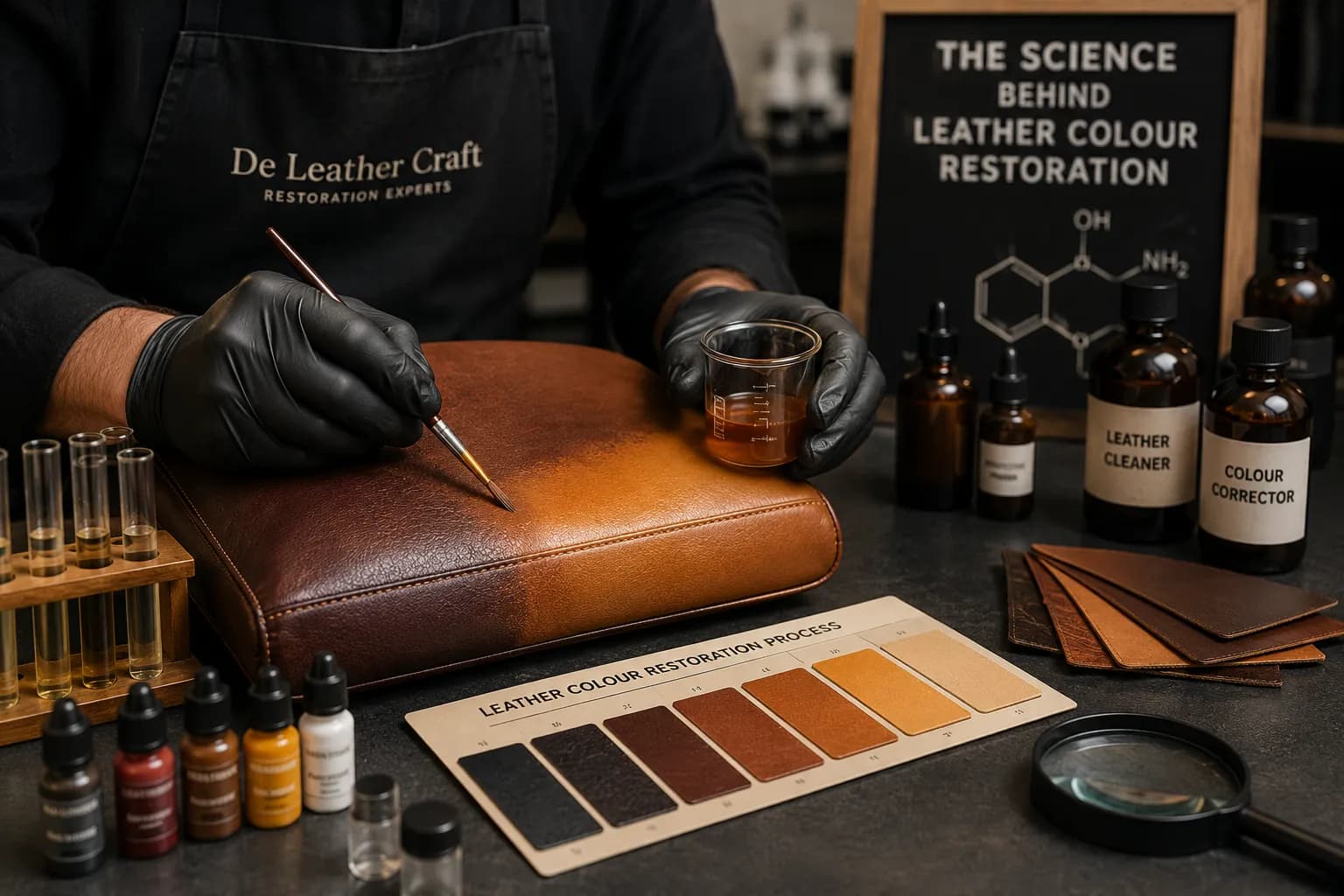
So, how leather colour restoration works depends largely on the condition and type of leather. A professional restoration does not simply involve applying a new colour over the existing surface. The leather is first examined to understand its texture, finish, colour variation, stains, scuffs, fading, and other visible concerns.
The surface may then be carefully cleaned and prepared so that restoration products can be applied more effectively. Colour matching is another important stage. Rather than selecting a generic shade, professionals assess the existing colour and work towards achieving a finish that complements the original appearance of the product.
The restoration may involve cleaning, surface preparation, colour application, finishing, and protective treatment. Each stage needs to be controlled because excessive product, incorrect colour, or improper application can affect the texture and appearance of leather.
At De Leather Craft, specialised restoration processes are used for premium and luxury leather goods, with attention given to the material and condition of each individual piece.
Why Leather Fades Over Time
There are several reasons why leather fades over time. Continuous exposure to sunlight is one of the most common causes. Ultraviolet rays can gradually affect pigments and finishes, particularly on products that are regularly exposed to outdoor conditions.
Frequent handling also contributes to colour changes. Handbags, wallets, belts, and other accessories come into contact with skin oils, sweat, dust, and friction. Areas that experience repeated contact may therefore become lighter or more worn than the rest of the product.
Moisture and humidity can also affect leather, particularly when the material is not dried or maintained appropriately. Household cleaning products can create another problem. Products that are too harsh for leather may strip away protective finishes or alter the original colour.
The result can be anything from mild dullness to significant fading, patchiness, staining, or uneven colour. Professional assessment helps identify what has caused the change and which restoration method is appropriate.
Understanding the Leather Refinishing Process
The leather refinishing process involves more than restoring colour. It focuses on preparing the leather so the renewed finish sits appropriately on the surface.
Depending on the product, the process may begin with professional cleaning to remove accumulated dirt, oils, and residues. Damaged or worn areas may then require preparation before colour restoration begins.
Colour matching is particularly important for luxury products. A shade that appears similar under one type of lighting may look noticeably different under another. Professionals therefore consider the existing colour, finish, texture, and overall appearance while selecting or creating a suitable colour.
Once the colour treatment is completed, the surface may receive an appropriate finishing or protection treatment. This helps restore a more uniform appearance while supporting the longevity of the restored surface.
Because leather varies considerably between products, restoration techniques are selected according to the material rather than following a single standard procedure. For example, softer materials such as sheep leather may need a different care and restoration approach from heavier finished leathers.
Leather Restoration Techniques Used by Professionals
Different types of leather and different forms of damage require different leather restoration techniques. A faded handbag may need a different treatment from a scratched leather shoe, while suede and nubuck require approaches that differ from smooth finished leather.
Professionals may work on issues such as:
- Faded or uneven colour
- Surface scuffs and scratches
- Worn edges
- Colour transfer
- Minor surface deterioration
- Staining and discolouration
- Loss of surface finish
In some cases, leather surface repair needs to be completed before recolouring. This is important because colour treatment cannot correct every form of physical damage. If the surface underneath is severely worn, applying colour directly may result in an uneven or short-lived finish.
De Leather Craft combines restoration expertise with specialised treatment processes to work on premium leather products while taking the original material and finish into consideration.
Leather Colour Restoration vs Leather Repair
Although they are often discussed together, leather colour restoration and repair have different purposes.
Leather colour restoration primarily addresses changes in appearance, such as fading, discolouration, and uneven colour. Leather repair and restoration can involve both cosmetic and physical treatment, depending on the condition of the product.
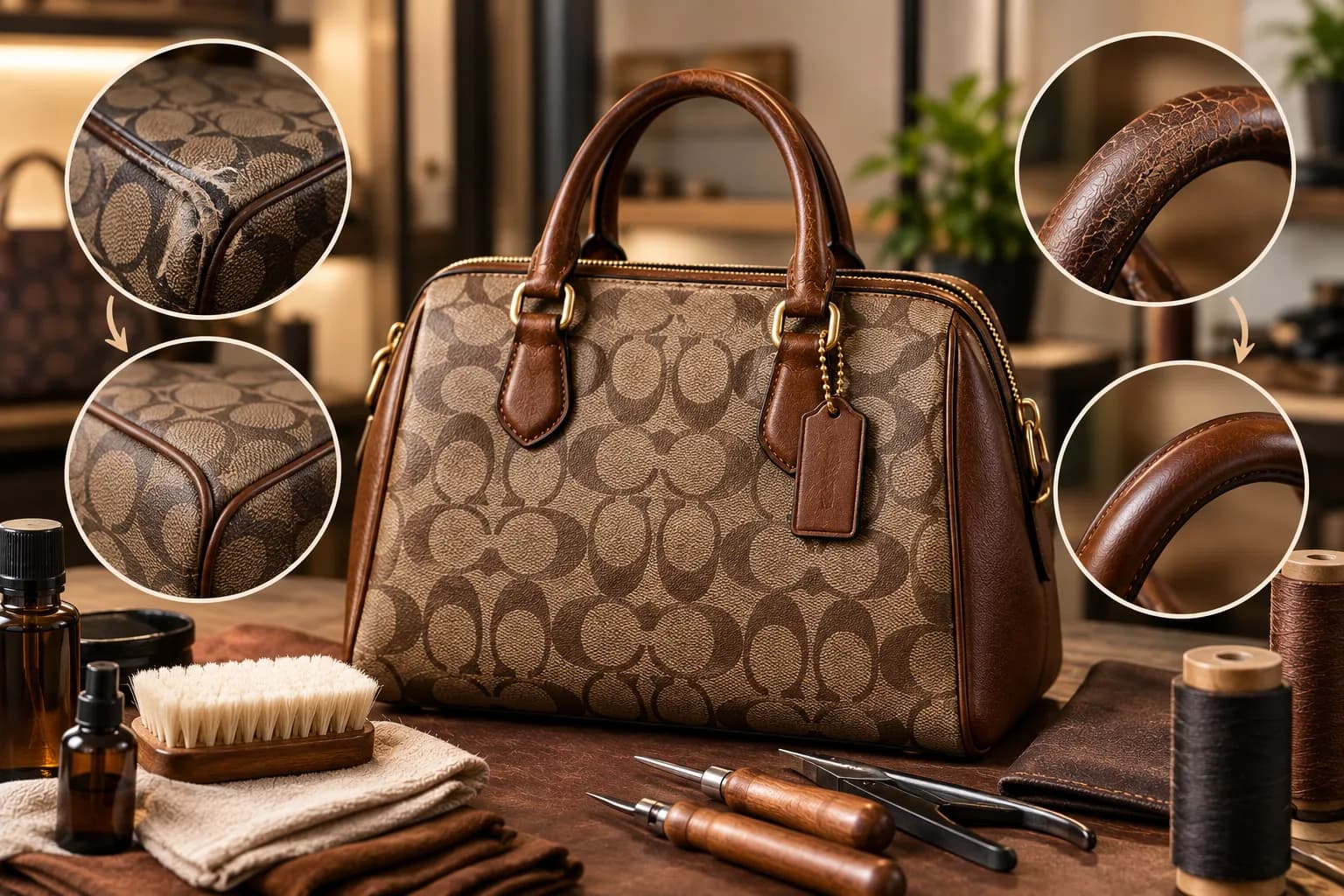
For example, a handbag may have lost colour around its handles because of repeated handling. If the leather itself remains structurally sound, colour restoration may be sufficient. However, if the same area has scratches, worn edges, peeling finish, or surface deterioration, repair may need to be carried out before recolouring.
This distinction is important when restoring expensive leather goods. The objective is not simply to cover visible damage but to address the condition of the surface as appropriately as possible.
Can Cracked Leather Be Colour Restored?
One common question is, can faded leather be restored? In many cases, professional restoration can significantly improve faded or discoloured leather. However, the final result depends on the material, extent of damage, previous treatments, and condition of the leather.
Cracked leather requires additional consideration. Colour can improve the appearance of a surface, but it cannot reverse deep structural cracking on its own. If the leather has extensive cracks, the surface may require repair or stabilisation before colour restoration is considered.
Minor surface deterioration may sometimes be incorporated into a broader restoration process. However, heavily damaged leather needs a professional assessment before any treatment is recommended.
This is one reason professional restoration is preferable for valuable leather goods. An incorrect DIY treatment can sometimes make the original condition more difficult to restore.
Is Leather Colour Restoration Suitable for Luxury Leather Bags?
Luxury handbags are among the products where professional colour restoration can make a significant difference. Premium bags often carry considerable financial and sentimental value, especially when you have invested in a premium leather handbag, so replacing them simply because of fading or surface wear may not be the preferred option.
De Leather Craft specialises in restoring premium and luxury leather goods, including handbags from international brands. Restoration can address concerns such as faded colour, worn handles, surface scuffs, stains, and uneven finishes, depending on the condition of the bag.
The objective is to revive the appearance while respecting the original material. Professionals assess the leather before deciding whether leather recolouring, surface treatment, repair, or a combination of techniques is suitable.
For valuable designer bags, this material-specific approach is particularly important because different finishes respond differently to cleaning and colour treatments.
Can Leather Shoes Be Professionally Colour Restored?
Yes. Leather shoes can also benefit from professional colour restoration. Regular walking exposes footwear to friction, dust, moisture, sunlight, and contact with different surfaces. As a result, the toe area, sides, heels, or other frequently used sections may become faded or scuffed.
Professional leather dye restoration can be considered where the material and finish are suitable. Depending on the condition, specialists may first clean and prepare the surface before applying a carefully matched colour treatment.
De Leather Craft also handles leather shoe restoration, allowing customers to address fading and wear without automatically replacing a well-loved pair. If sole damage is also present, it helps to know when to resole leather shoes as part of the restoration decision.
After restoration, an appropriate leather protection coating may be applied where suitable. This can provide an additional layer of protection against everyday exposure and help maintain the renewed finish.
How Professionals Restore Leather Colour
So, how professionals restore leather colour comes down to assessment, preparation, colour matching, application, and finishing. The process is not identical for every leather product because the material, finish, age, and damage can vary significantly.
A professional restoration specialist first evaluates the product and identifies whether the issue is primarily colour-related or whether repair is also required. The surface is then prepared appropriately before restoration products are applied using controlled techniques.
This approach is particularly valuable for luxury products where preserving the original appearance, texture, and character matters. At De Leather Craft, specialised restoration services are available for leather handbags, shoes, jackets, luggage, wallets, belts, and other leather goods.
FAQs
Can faded leather be restored to its original colour?
In many cases, faded leather can be professionally restored to match its original colour closely. However, the outcome depends on the leather type, original finish, level of fading, previous treatments, and overall condition. Professional colour assessment helps achieve a more consistent result.
Why does leather lose its colour over time?
Leather can lose colour because of prolonged sunlight exposure, friction, moisture, body oils, dust, pollutants, and unsuitable cleaning products. Repeated use can also gradually wear down the surface finish, resulting in dull or uneven areas.
What is the difference between leather colour restoration and leather repair?
Colour restoration focuses mainly on fading, discolouration, and uneven colour. Leather repair addresses physical concerns such as scratches, cracks, worn surfaces, damaged edges, or other deterioration. Both services may be combined when a product requires cosmetic and surface treatment.
Can cracked leather be colour restored?
It depends on the severity of the cracks. Colour restoration may improve the appearance of some lightly damaged surfaces, but deep cracks cannot simply be covered with colour. The leather may require repair or further treatment before recolouring.
Is leather colour restoration suitable for luxury leather bags?
Yes. Professional restoration can be suitable for many luxury leather bags. De Leather Craft assesses the material and condition before recommending the appropriate treatment for fading, scuffs, stains, worn areas, and colour inconsistencies.
Can leather shoes be professionally colour restored?
Yes. Suitable leather shoes can be professionally colour restored to address fading, scuffs, and uneven colour. The treatment depends on the type of leather, its existing finish, and the extent of wear.