Leather can lose its softness and natural finish with regular use, exposure to heat, dust, moisture, and friction. The right conditioner can help maintain its appearance and flexibility, but choosing the wrong product may leave stains, dark patches, or an uneven finish. This is particularly important for premium bags and shoes, where the leather type, colour, and finish need careful attention.
Do You Even Need Leather Conditioner?
Conditioning is useful when leather begins losing its natural moisture and flexibility. However, not every leather product needs frequent conditioning.
Signs of Dry or Thirsty Leather
Dry leather may feel stiff, look dull, or develop fine surface lines. It may also lose the supple feel it had when new. These signs can indicate that the leather needs professional cleaning and conditioning rather than another layer of polish.
When Conditioning Can Cause Damage
Applying conditioner too frequently can oversaturate leather, alter its colour, or leave a greasy surface that attracts dust. Some finished, coated, suede, nubuck, and exotic leathers require specialised treatments. Using a general-purpose product without identifying the material can cause permanent changes.
How Leather Type Affects Conditioner Choice
Full Grain and Top Grain Leather
Full-grain and top-grain leather can often benefit from a suitable conditioner because these materials retain their natural structure. The product should still be compatible with the leather's finish and colour.
Finished, Coated, and Pebbled Leather
Finished and coated leather may have protective layers that respond differently to conditioning products. Pebbled leather also has a textured surface where excess product can settle. A thin, even application is therefore important.
Suede, Nubuck, and Exotic Leather
Suede and nubuck should not be treated like smooth leather. They generally require specialised cleaning and protection products. Exotic skins can be even more sensitive, making professional assessment preferable before applying any conditioner.
Leather Conditioner for Bags vs Shoes
Different Care Needs for Bags and Shoes
Bags are exposed mainly to handling, friction, cosmetics, dust, and environmental moisture. Shoes experience repeated bending, abrasion, water, road dust, and contact with different surfaces. Therefore, the best conditioner for one product may not necessarily be suitable for another.
Finish, Colour, and Transfer Risks
Conditioners can temporarily deepen leather colour or leave residue on clothing. This is especially important for handbags that come into contact with light-coloured outfits. Always consider the leather's finish and test the product before treating the complete item.
What to Look for in a Leather Conditioner
Cream, Balm, Lotion, or Wax
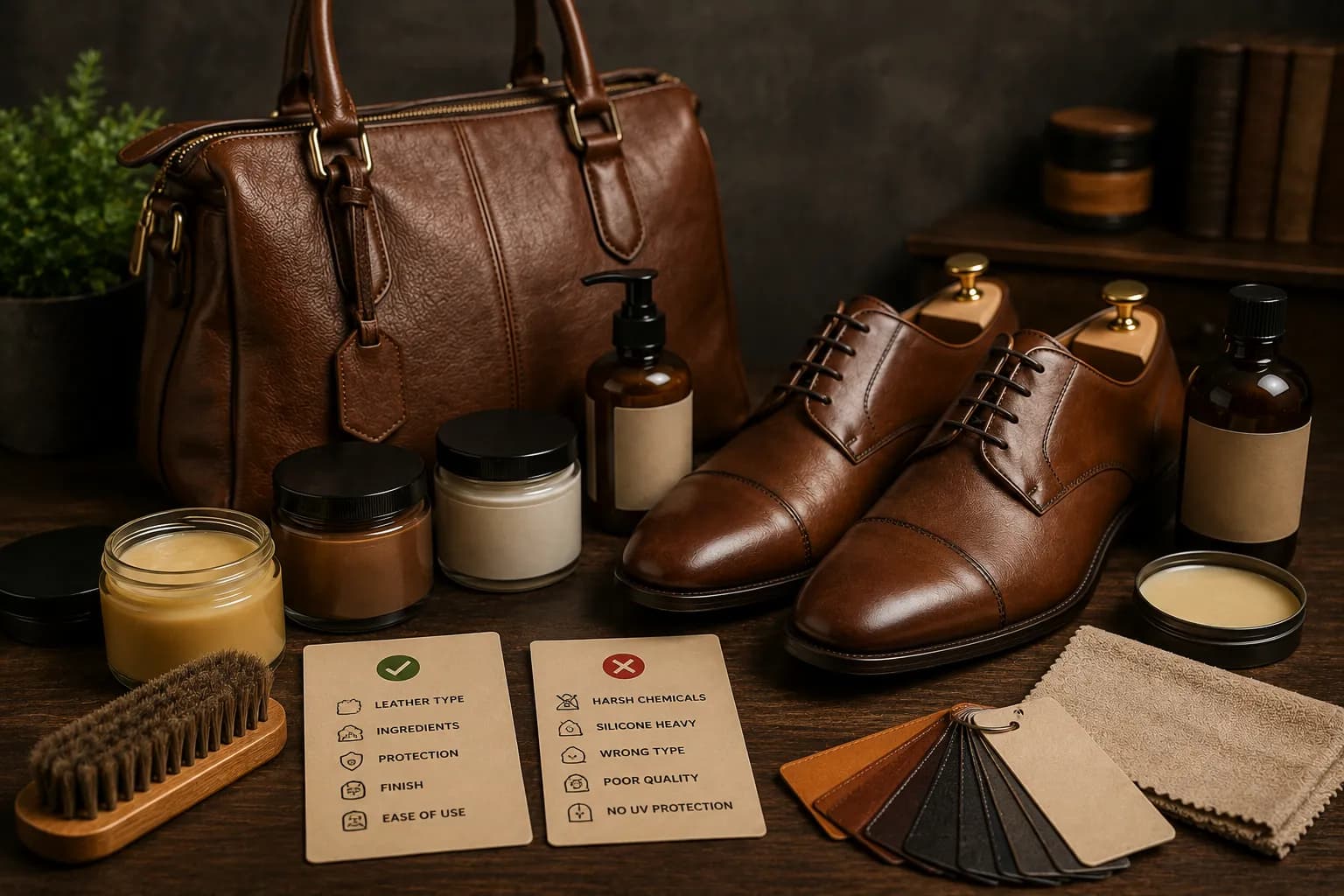
Leather conditioners are available in different forms. Creams and lotions can provide light conditioning, while balms may offer richer nourishment. Waxes are generally more associated with protection and shine. Choosing between them depends on the leather and the desired finish.
Ingredients and Darkening Risks
Avoid assuming that natural oils are automatically safe for leather. Certain oils can darken leather, leave a greasy residue, or affect its finish. For valuable items, product compatibility matters more than simply choosing the richest formula.
Best Leather Conditioner for Purses and Handbags
Everyday Leather Handbags
For everyday bags, a suitable leather conditioner for bags should maintain softness without leaving a heavy residue. A compatible leather cream for bags can be considered for appropriate smooth-leather finishes, but the product should always be matched to the material first.
Luxury and Vintage Bags
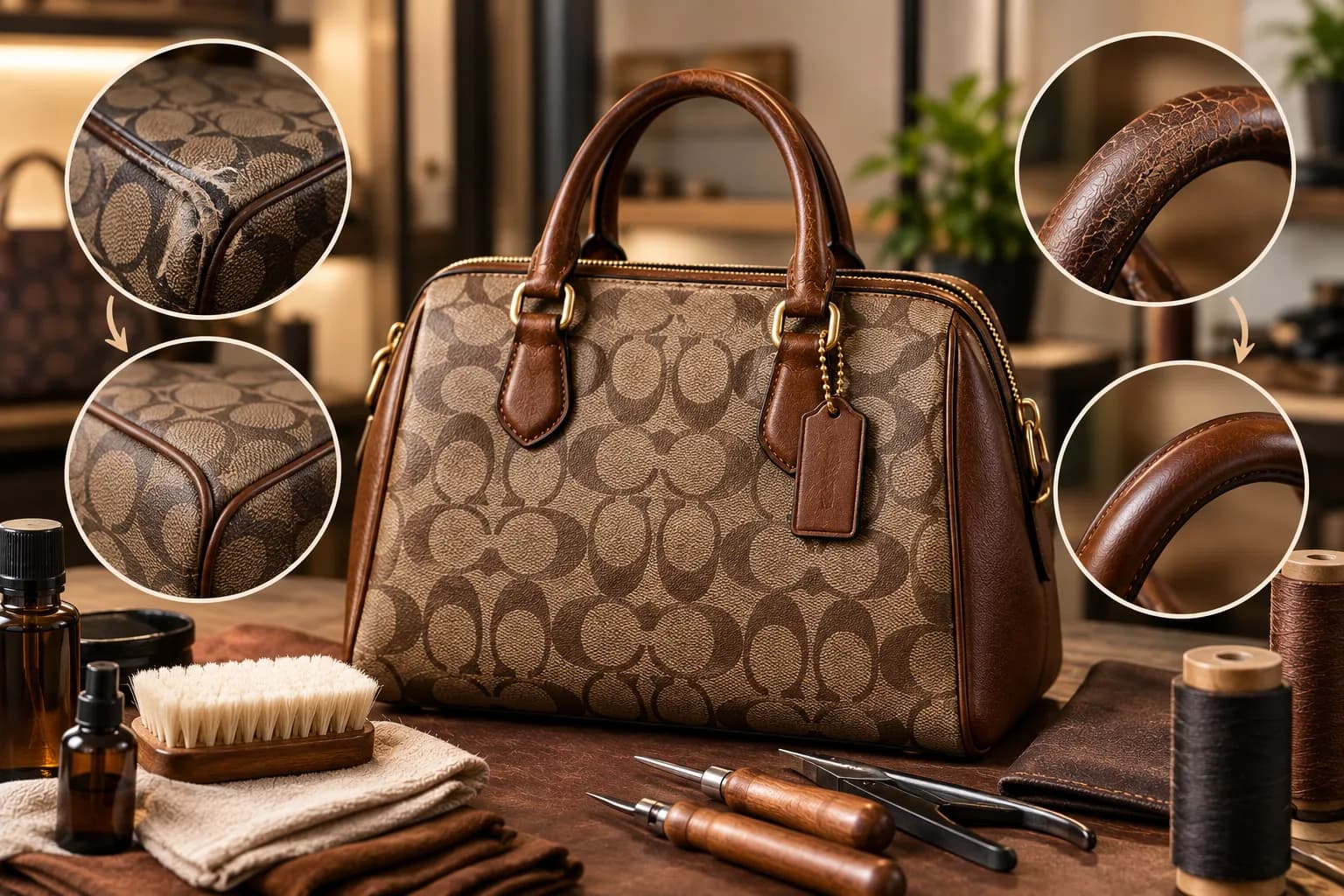
Luxury and vintage handbags require greater care because their finishes, dyes, hardware, and construction can be sensitive to unsuitable products. At De Leather Craft, leather specialists assess the material and condition before recommending or carrying out restoration treatments. This helps avoid treating a valuable piece with a generic solution.
How to Choose a Leather Conditioner for Your Bag
Match the Product to Your Leather
Start by identifying whether the bag is smooth, coated, pebbled, suede, nubuck, or exotic leather. If the material or finish is uncertain, professional assessment is safer than experimenting with different products.
Patch Test Before Full Application
If the product is appropriate for the leather, test it on a small, concealed area first. Check for changes in colour, texture, or finish before proceeding.
How to Apply Leather Conditioner to a Bag
Clean Before Conditioning
Dirt and surface residue should be removed before conditioning. Applying conditioner over accumulated dirt can trap contaminants and create an uneven appearance. Professional leather cleaning at De Leather Craft can help prepare the surface appropriately.
Apply Thin Coats and Buff Gently
Use a small quantity and spread it evenly rather than saturating the leather. Allow the product to absorb as recommended, then buff gently if required. For luxury pieces, professional application can help maintain colour consistency and finish.
Common Leather Conditioning Mistakes
Over conditioning and Using DIY Oils
Applying too much conditioner or using coconut oil, cooking oils, or other household products can cause darkening, stickiness, or surface damage. DIY treatments are particularly risky for expensive handbags and designer footwear.
Confusing Conditioner With Cleaner or Polish
Conditioner, cleaner, and polish perform different functions. Bag leather polish is primarily associated with improving appearance and shine, while a conditioner is intended to support the leather's suppleness. Neither should automatically be used as a substitute for professional cleaning.
How Often Should You Condition Leather?
Handbags With Light or Frequent Use
There is no universal conditioning schedule. A handbag used occasionally may need attention less frequently than one carried every day. The leather's condition, climate, storage, and existing finish should guide the frequency.
Shoes and Seasonal Storage
Shoes may require care after periods of frequent wear, particularly when exposed to dryness or moisture. Before seasonal storage, ensure the leather is clean and completely dry. Avoid storing conditioned items in ways that trap moisture.
Conclusion
Choosing the right leather conditioner for handbags is about more than finding a product labelled "leather care." The leather type, finish, colour, age, and condition all influence what treatment is appropriate. For valuable handbags and shoes, professional assessment can prevent accidental darkening, staining, or finish damage.
De Leather Craft provides specialised leather cleaning, restoration, conditioning, colour restoration, and repair services for premium and luxury leather goods. Instead of relying on a one-product-fits-all approach, its specialists assess the material and condition before determining the appropriate treatment.
FAQ
What Can I Use to Condition a Leather Bag?
Use a conditioner specifically compatible with your bag's leather type and finish. For luxury, vintage, coated, or unusual leather, professional assessment is recommended before applying any product.
Is Coconut Oil a Leather Conditioner?
Coconut oil is not a universally suitable leather conditioner. It can darken some leathers, leave an oily residue, and potentially affect the finish. It is better to use a product formulated and tested for the specific leather type.
Is Vaseline Safe for Leather?
Vaseline is not recommended as a general leather conditioner. Its petroleum-based texture can leave a greasy surface and may affect certain finishes. Always use a leather-specific treatment suited to the material.
What Is Best for Conditioning Leather?
The best conditioner depends on the leather's type, finish, colour, age, and condition. Smooth leather, coated leather, suede, nubuck, and exotic skins require different care approaches.
What Is the Best Conditioner for Leather Shoes?
A suitable conditioner for smooth leather shoes should match the leather and its finish without leaving excessive residue. Suede, nubuck, and other specialised materials require dedicated care products rather than standard leather conditioners.
How Often Should You Condition a Leather Bag?
Conditioning frequency depends on usage, climate, leather type, and condition. Instead of following a fixed schedule, inspect the bag for dryness, stiffness, or changes in texture and seek professional advice when necessary. De Leather Craft can assess the condition of a premium leather bag and recommend appropriate restoration or maintenance.