Leather bags and shoes need more care in humid weather. Excess moisture can encourage mould, affect the leather's finish, and cause unpleasant odours. If you want to store leather safely for weeks or months, the key is to keep it clean, dry, ventilated, and away from trapped moisture.
The Best Way to Store Leather in Humid Climates
Ideal Humidity and Airflow
Leather should be stored in a cool, dry space with adequate airflow. Avoid placing bags and shoes directly against damp walls or in poorly ventilated corners. Periodic inspection is also important, particularly during prolonged humid weather.
Why Plastic Storage Can Trap Moisture
Plastic containers may seem convenient, but they can restrict airflow. Any moisture present on the leather or inside the container can remain trapped, creating conditions that encourage mould and deterioration.
Why Humidity Damages Leather
Mould, Peeling, and Stiffness
High humidity can contribute to mould growth, especially when leather remains enclosed for long periods. Certain finishes may also deteriorate, while untreated or poorly maintained leather can become stiff or develop surface changes.
Heat and Humidity Risks
Heat combined with moisture can accelerate deterioration. Leather bags left in hot, humid cupboards or near direct sunlight may lose their finish, shape, and overall appearance faster.
How to Prepare Leather Before Storage
Clean and Dry Bags and Shoes
Before you store leather long-term, clean the surface appropriately and make sure the item is completely dry. Professional cleaning is particularly useful for luxury bags and shoes with stains, accumulated dirt, suede surfaces, or delicate finishes.
De Leather Craft provides professional leather cleaning and restoration services designed for different leather types and luxury products, helping prepare valuable pieces before storage.
Condition Without Over-Oiling
Conditioning can help maintain suitable leather surfaces, but excessive oil or conditioner can leave the material greasy and attract dirt. Use products appropriate for the specific leather type rather than applying a generic conditioner.
How to Store Leather Bags in Humid Weather
Use Breathable Dust Bags and Proper Stuffing
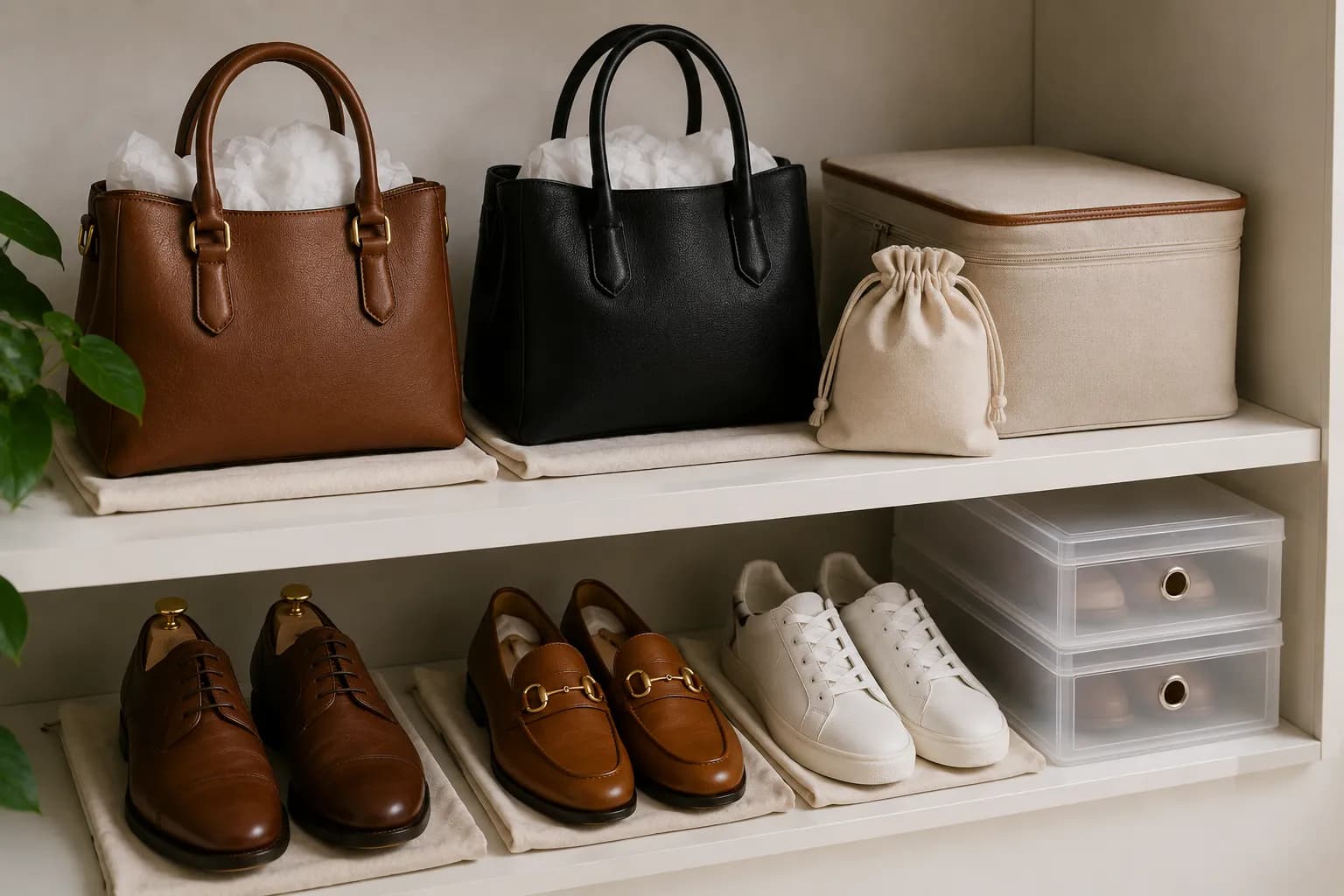
A breathable dust bag is preferable to airtight plastic wrapping. Gently stuff handbags with clean, acid-free or suitable material to help maintain their shape without stretching the leather.
Choose the Right Closet or Shelf
Keep bags elevated from the floor and provide space between individual pieces. Avoid tightly packed wardrobes where air cannot circulate. Regularly inspect stored bags for moisture, mould, odour, or changes in colour.
How to Store Leather Shoes for Long-Term Storage
Use Shoe Trees and Allow Airflow
Shoe trees can help shoes retain their shape during storage. Allow shoes to dry naturally after use before putting them away, and avoid storing damp footwear immediately after wearing it.
Choose Between Boxes, Shelves, and Open Racks
Shelves and open racks can provide better airflow in humid conditions. If boxes are used, they should allow suitable ventilation. Avoid sealing shoes in containers while they still contain moisture.
Best Storage Products for Leather Bags and Shoes
What to Look For
Choose breathable dust bags, suitable shoe trees, clean stuffing materials, and storage shelves that allow air circulation. For valuable leather goods, professional cleaning before storage can also be worthwhile.
Products to Avoid in Humid Climates
Avoid airtight plastic covers, damp storage spaces, harsh cleaning products, and excessive conditioners. These can create or worsen problems rather than protect the leather.
Common Leather Storage Mistakes
Plastic Bins and Damp Storage
One of the most common mistakes is placing leather goods in sealed plastic bins without checking whether the items and storage environment are completely dry.
Poor Ventilation and Neglected Inspections
Simply putting a leather bag away and forgetting about it can allow minor moisture problems to become extensive damage. Check stored products periodically, especially during humid seasons.
Humid-Climate Leather Storage Checklist
- Clean leather before storage.
- Ensure bags and shoes are completely dry.
- Use breathable dust bags.
- Keep leather away from damp walls and floors.
- Maintain adequate airflow.
- Avoid airtight plastic containers.
- Use suitable stuffing for handbags.
- Use shoe trees for long-term shoe storage.
- Inspect stored leather regularly.
- Seek professional care if mould, peeling, stains, or severe deterioration appears.
When Home Storage Is Not Enough
Signs You Need Professional Leather Care
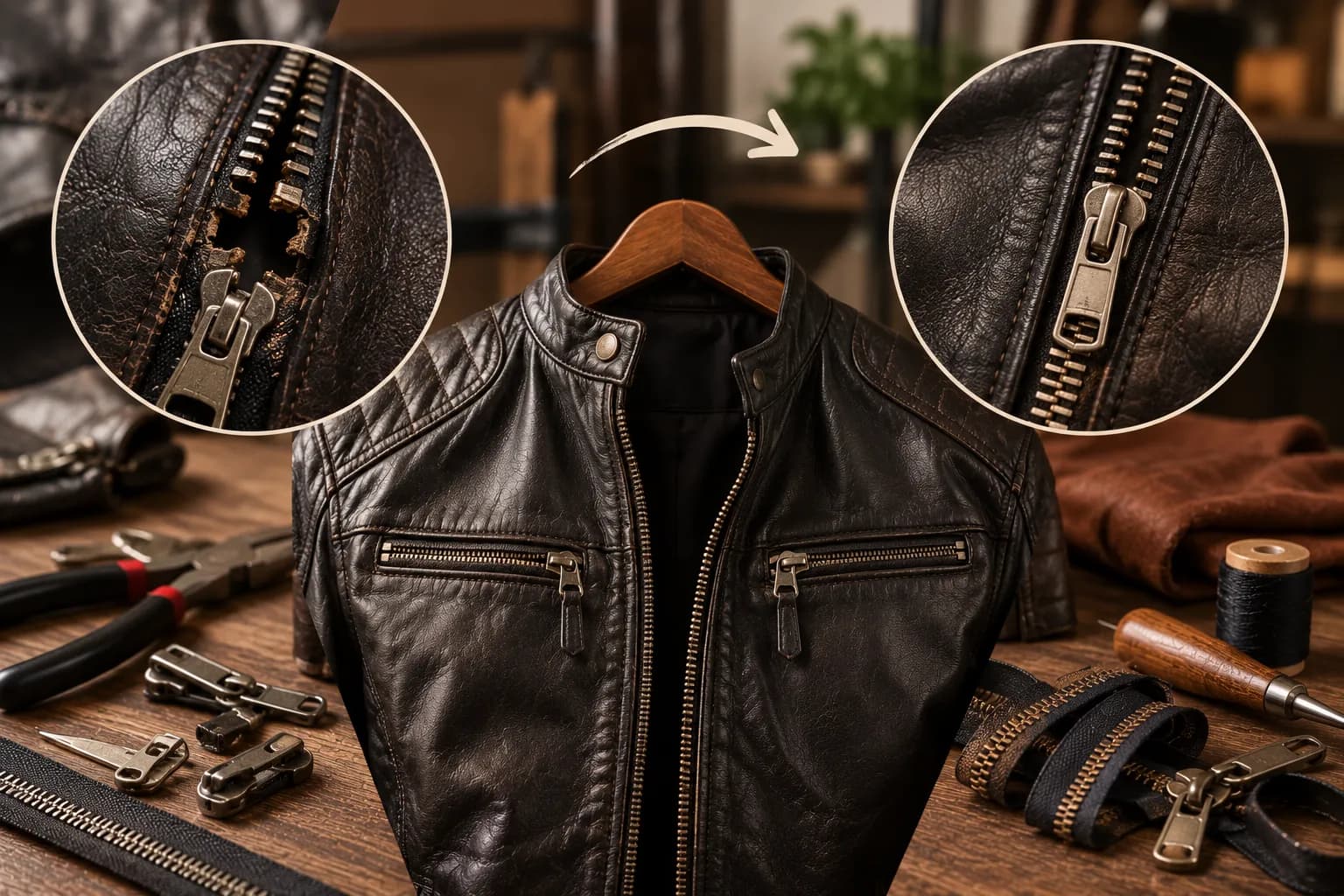
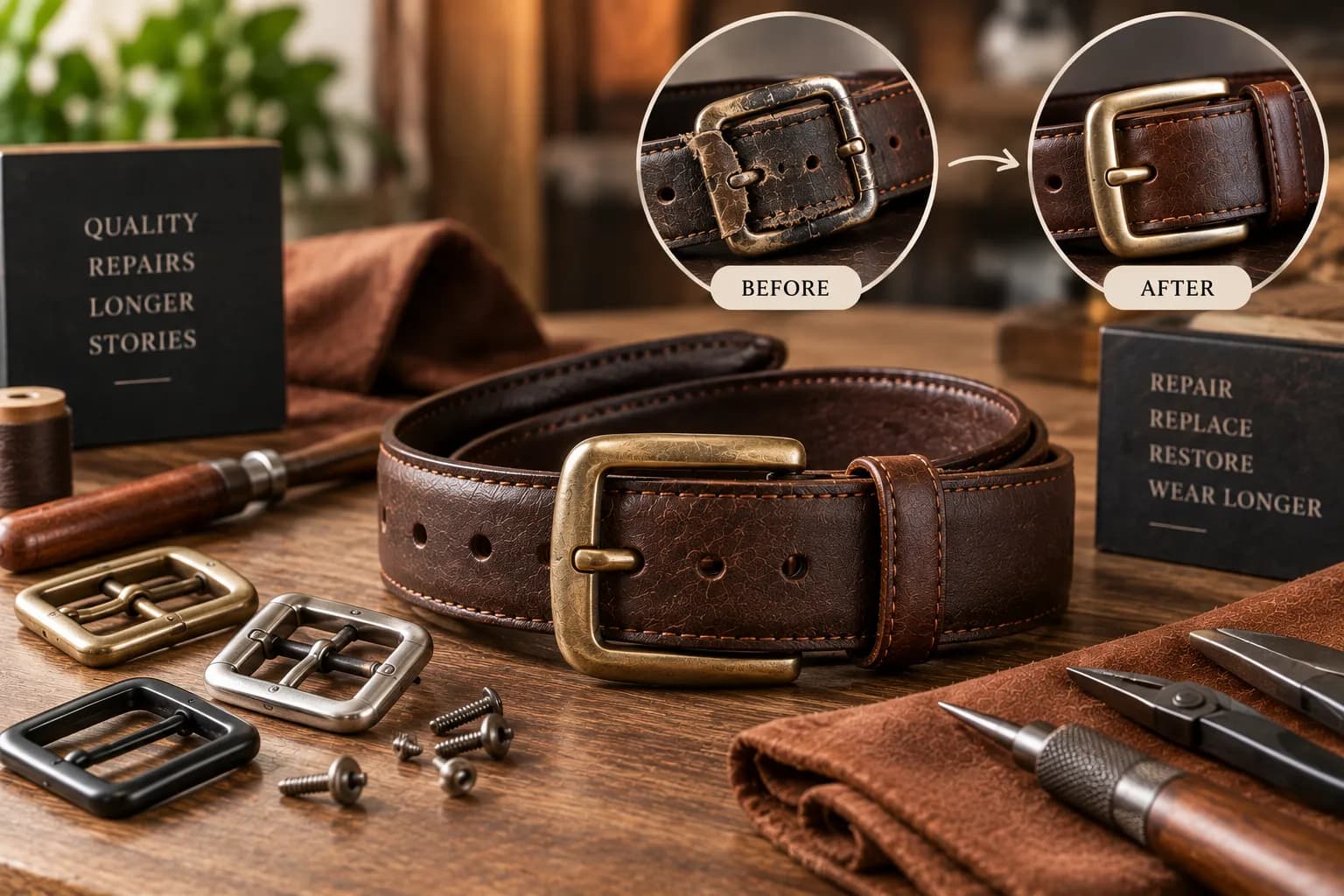
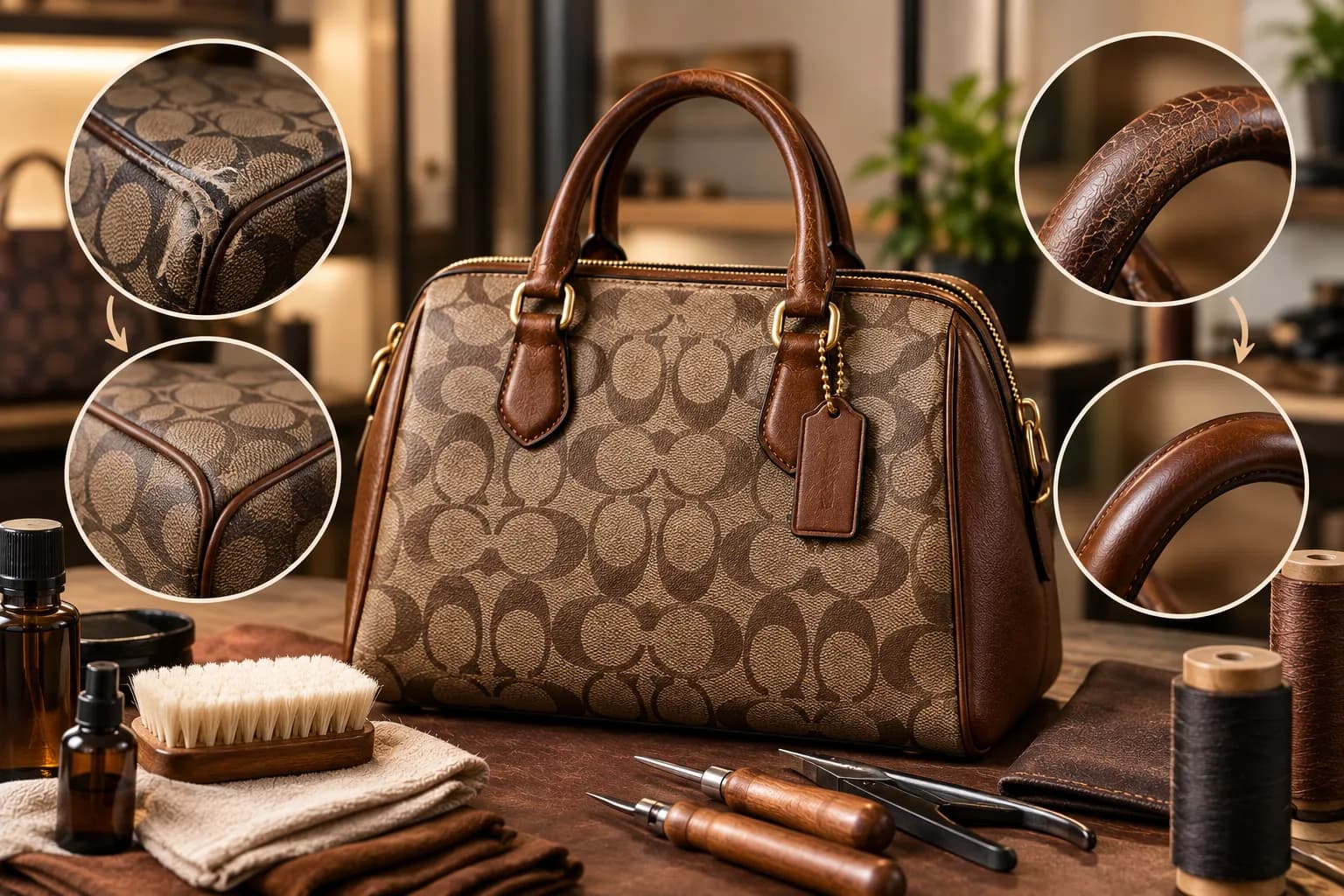
If you notice mould, significant discolouration, peeling, cracking, stiffness, deep stains, or persistent odour, home cleaning may not be enough. Attempting aggressive DIY treatments can sometimes cause further damage, particularly to luxury or delicate leather.
De Leather Craft specialises in leather cleaning, repair, restoration, recolouring, and other care services for premium leather products. Professional assessment can help determine the appropriate treatment based on the material and condition.
If you are searching online for a leather store near me, leather shop near me, best leather stores, or best leather shops, remember that a conventional leather retailer and a professional leather restoration studio serve different needs. For an existing luxury bag or pair of shoes that needs care, restoration expertise matters more than simply finding a store that sells leather products.
Conclusion
Proper storage can significantly reduce the effects of humidity on leather bags and shoes. Keep each item clean and completely dry, choose breathable storage, maintain airflow, and inspect your collection regularly. When humidity has already caused visible damage, professional leather restoration can help restore the appearance and usability of valuable pieces.
FAQs
Does leather get ruined by humidity?
Leather does not automatically get ruined by humidity, but prolonged exposure to excess moisture can contribute to mould, odour, stiffness, staining, and deterioration of certain finishes. Proper ventilation, cleaning, drying, and storage can help reduce these risks.
What is the best way to store leather handbags?
The best approach is to clean and dry the handbag, place it in a breathable dust bag, gently maintain its shape with suitable stuffing, and store it in a cool, ventilated area away from damp walls and direct sunlight.
How long can leather be stored?
Leather can be stored for many years when it is properly cleaned, maintained, and protected from excessive moisture, heat, and poor ventilation. Regular inspections are important during long-term storage.
How should leather be stored long term?
To Store Leather Long Term, use breathable storage rather than airtight plastic, keep the item completely dry, maintain its shape, avoid excessive conditioning, and inspect it periodically for mould or surface changes.
Can leather last a lifetime?
With suitable use, maintenance, cleaning, and professional restoration when required, high-quality leather products can last for decades and, in some cases, become long-lasting heirloom pieces.
Is 100% genuine leather real?
“Genuine leather” indicates that the product is made from real leather, but the term alone does not describe its grade or quality. Different leather types have different characteristics, durability, finishes, and care requirements.